Forehead lines rarely arrive politely. They etch in slowly through expressive habits, sun exposure, dehydration, and the simple arithmetic of birthdays. For some, the lines are a minor texture change that powders well under makeup. For others, deep horizontal furrows flatten the light across the forehead and lend a tired or worried look, even on a good day. Botox for forehead lines remains the most predictable way to soften that impression when done by a skilled, licensed injector who respects anatomy and botox near me aims for balance over paralysis.
This overview draws on day‑to‑day clinical realities. It covers how botox works on the frontalis muscle, how doses are chosen, what to expect at a botox consultation and appointment, how long botox results last, and where the limits and alternatives sit. I’ll also address when preventative botox makes sense, why some people feel “heavy brows” after treatment, and what a natural result means in practice. If you have ever searched “botox near me” and scrolled through “before and after” photos wondering how to evaluate quality, this is the kind of detail that helps you ask better questions.
What botox is actually doing up there
Botox cosmetic is a purified neurotoxin that temporarily blocks the release of acetylcholine at the neuromuscular junction. In simple terms, it relaxes targeted muscles so they contract less vigorously. When you soften the frontalis, the muscle that lifts the eyebrows and creases the forehead, dynamic lines diminish. Repeated correctly, treatment can also give etched‑in static lines a chance to repair.
Medical botox has been used safely for decades in much higher doses for neurologic and urologic conditions. Cosmetic dosing for the forehead is relatively modest, which is why botox wrinkle relaxer treatments are repeatable with a low risk profile in experienced hands. It is not a filler, not a skin tightener, and not a facelift. Botox smooths lines created by muscle movement. The rest of the support structure, from collagen to fat pads to bone, still matters.
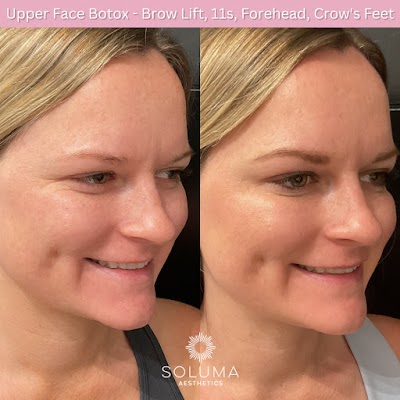
Forehead anatomy sets the rules
The frontalis is a thin, fan‑shaped muscle that starts at the scalp and inserts into the skin above the brows. It has no bony attachment at the bottom, which is why it can lift the brow. Across the lower forehead sit the brow depressors: corrugator and procerus between the brows, and orbicularis oculi around the eyes. These pull down and in. The frontalis pulls up. Your baseline brow position reflects the push‑pull of these groups.
Why does this matter? Because botox for forehead lines cannot be designed in isolation. If an injector relaxes the frontalis without balancing the depressors, the eyebrows may sit lower. If they relax the frown lines between the brows (glabellar complex) and skip the forehead entirely, the frontalis can lift more freely and the brows may peak. A subtle, natural looking botox plan considers both zones.
I often start by asking patients to raise their brows as high as they can, then relax, then frown. I look for asymmetric movement, stronger medial or lateral pull, brow height at rest, and whether the hairline is high or low. A low‑set brow relies more on the frontalis for eyelid clearance. Heavy dosing in that person risks a sleepy look. In contrast, a high forehead with a very active lateral frontalis may benefit from a slightly broader spread to prevent “Spock” peaks.
Dosing ranges and patterns for forehead lines
The dose is individualized. Typical totals for the frontalis fall in the 6 to 20 unit range in many practices, though higher doses are not unheard of for very strong muscles or longer duration goals. The glabella often receives 10 to 25 units, depending on sex, muscle bulk, and pattern. I favor micro‑aliquots spaced across the muscle belly with at least a 1.5 to 2 cm safety margin above the brow to reduce the chance of a heavy brow. Small, precise doses reduce sudden edges and allow for a smooth gradient.
Two philosophies frequently come up:
- Baby botox or micro botox for the forehead uses very small drops at more sites, choosing finesse over force. It is popular for first time botox, preventative botox, and those who fear a frozen look. The trade‑off is shorter longevity and the possibility that deep static lines need more muscle relaxation than micro dosing can deliver. Full dose forehead treatment aims for stronger relaxation and potentially longer lasting botox results. Great for very expressive foreheads or etched lines. The trade‑off: higher risk of feeling heavy if the rest of the face is not balanced appropriately.
There is no single “best botox” pattern. The best approach is customized botox treatment that respects each face. A botox specialist will plan forehead injections only after looking at frown lines, crow’s feet, and overall brow position.
What to expect at your botox consultation
A botox consultation should feel like a brief biomechanics lesson about your face. The injector will take a medical history, ask about previous botox sessions, migraines or eyelid heaviness, eye surgery, droopy eyelids, pregnancy or breastfeeding status, blood thinners, and any neuromuscular disorders. They will evaluate your skin quality, photoaging, hydration, and how your forehead lines behave at rest and in motion.
I show patients in a mirror how the frontalis lifts and where the lines originate. I explain the plan: units, injection sites, expected movement, and whether a botox touch up might be needed. When we treat the forehead, I almost always recommend addressing the glabella because this creates a cleaner, balanced result. When someone requests only forehead lines treatment, I outline the limits and the risk of lateral peaks or lowered brows.
A clear consent process covers common botox side effects, rare risks, expected recovery, and realistic botox results. No mystery pricing. If a clinic cannot articulate botox pricing in a straightforward way, or avoids discussing botox pros and cons, that is a warning sign.
The appointment, minute by minute
After photos are taken for your medical record and to compare botox before and after, the skin is cleaned. Makeup removal is preferred. Markings are optional but helpful for asymmetries. The injections themselves are quick. You may feel a brief sting, especially near the mid‑forehead where the skin is thinner. Most people are surprised by how fast the botox procedure is, often less than 10 minutes for forehead and glabella combined.
I advise minimal pressure only if a pinpoint bruise forms. Makeup can typically be applied after a couple of hours. Most patients return to normal activities immediately. There is minimal botox downtime beyond a few simple aftercare rules.
Aftercare that actually matters
The goal after botox facial injections is to avoid pushing the product into unwanted areas before it binds at the neuromuscular junction. The binding process accelerates over several hours and clinical effect appears over days, not minutes. The following short checklist covers what is useful without overcomplicating your day.
- Remain upright for 4 hours, and avoid head‑down yoga or massages. Skip intense workouts, saunas, and hot yoga on the day of treatment. Avoid rubbing or massaging the treated areas until the next day. Delay facials, microdermabrasion, and aggressive skincare for 24 hours. Use a gentle cleanser that evening, and resume normal skincare the next day.
A small bump or bee‑sting look at each site fades within 20 to 60 minutes. Mild headache can occur. Tiny bruises resolve in a few days and are usually easy to camouflage. If a headache develops, simple analgesics like acetaminophen are usually safe. Avoid ibuprofen or aspirin on the day of treatment if bruising is a concern, unless those medications are medically necessary for you.
Timeline: onset, peak, and longevity
Don’t judge your botox cosmetic procedure the same day. Early changes appear at 2 to 4 days, with the forehead often lagging behind the glabella. The peak effect lands around day 10 to 14. Assess your result at the two‑week mark, not sooner. If we plan a botox follow up, I prefer to schedule it for the second week to catch any edges, peaks, or under‑treated zones.
How long does botox last in the forehead? Expect 3 to 4 months for most people. Some hold closer to 2.5 months, others 5 to 6 months, especially those who metabolize slowly or accept less movement. Muscle strength, dose, injection accuracy, and individual metabolism all play roles. People who exercise intensely may notice slightly shorter duration, though that is not universal.
Botox maintenance typically means two to four botox sessions per year. Over time, repeated relaxation can train the habit of over‑lifting to quiet down, allowing for lower doses. That said, if you like strong animation, plan for a steady schedule and communicate that preference so your injector can keep a touch of movement.
Natural looking botox versus overdone
Most patients want subtle botox that softens lines but leaves expression. Getting there requires a blend of restraint, even distribution, and respect for the brow’s resting height. Red flags for an overdone forehead include completely immobile skin with a waxy shine, lateral “Spock” peaks from under‑treated outer frontalis, or heavy, sleepy lids from over‑treating the lower forehead without balancing the depressors.
When I chase natural movement, I prefer a light dose along the lower forehead or a higher safety band, then reevaluate at two weeks. Small add‑ons at the edges often make a big difference. A botox brow lift can be created by placing modest units in the depressors while preserving lateral frontalis activity, which tips the brows up by a few millimeters. Do not expect a surgical brow lift effect. Think of it as a nudge, not a leap.
Cost, pricing models, and value
Botox cost varies widely by region, injector experience, and setting, whether a dermatology office, plastic surgery clinic, or med spa. Pricing may be by unit or FL botox treatment centers by area. Forehead only may tempt shoppers, but as discussed, the best cosmetic result often involves both forehead and glabella. Pricing by unit is the most transparent, and it allows true customization. Typical pricing per unit often falls within a moderate range in the United States, with city centers running higher. If you see botox deals that undercut the market by a large margin, ask questions. Is the product genuine and U.S. FDA‑approved? Is the injector a botox licensed injector with verifiable training? Are sterile practices followed? Cheap botox can become expensive if you pay for corrections elsewhere.
Value comes from precision, safety, and results that match your goals. Long lasting botox is not guaranteed by dose alone. Correct placement and balanced planning avoid side effects that outlast the thrill of a discount.
Safety, side effects, and how to reduce risk
Cosmetic botox has a strong safety record, but it is still a medical procedure. Common effects are transient: small bruises, mild headaches, tenderness at injection points, or a temporary tight sensation. Less common effects include eyelid ptosis, brow heaviness, asymmetry, or smile changes if product diffuses into adjacent muscles. Ptosis is inconvenient but temporary, generally resolving over a few weeks as the effect wanes. Apraclonidine drops may help stimulate a small lift of the eyelid during recovery.
You can reduce risk by choosing a botox certified injector who understands facial anatomy and dose tailoring. Talk through your exercise and yoga habits, your history of eyelid heaviness, and your previous experiences. Follow aftercare. Avoid last‑minute “party” injections before high‑stakes events. Build in at least 2 to 3 weeks before weddings or photoshoots.
People who are pregnant, trying to conceive, or breastfeeding should postpone botox cosmetic. Those with certain neuromuscular conditions should discuss risks with their physician. Always disclose all medications and supplements.
Preventative botox, baby botox, and the long game
The term “preventative botox” suggests stopping lines before they etch. There is truth there, with nuance. In your 20s or early 30s, when lines are dynamic and the skin bounces back at rest, very small doses spaced every 4 to 6 months can train expressive patterns to soften. Baby botox reduces crease intensity without erasing normal expression, buying time while you preserve collagen with sunscreen and smart skincare. If static lines are already present, prevention blends into repair. You may need more robust dosing initially, then taper as the skin recovers.
Remember, botox for anti aging works best as a team sport. Combine it with consistent SPF, retinoids for collagen support, reasonable hydration, and avoidance of harsh tanning. Lifestyle inputs change your trajectory more than any syringe.
When to combine treatments
Botox handles movement lines. It does not replace lost volume or resurface texture. If the forehead shows deep, etched static lines that persist even when fully relaxed, consider layered care. Light hyaluronic acid microdroplets can be placed cautiously for line fill in select cases, though I prefer to exhaust botox and skincare first due to the forehead’s vascular anatomy. Energy‑based devices or fractional lasers can remodel collagen for improved texture. For crow’s feet, botox for eyes softens the radial lines, and a gentle peel or microneedling may complement that.
Questions often arise about botox vs fillers around the upper face. Fillers shine for hollows and contouring, like the temples or tear troughs in the right candidates. Botox handles wrinkles caused by muscle pull. Used together, botox and fillers shape both movement and silhouette. For the lower face, botox masseter reduction or jawline slimming can refine width for those with clenching habits, while fillers restore chin and jawline structure. For lips, a botox lip flip softly everts the upper lip for a hint of show, while filler provides volume. Different tools, different jobs.
Edge cases and tricky scenarios
A few patterns deserve extra care:
- Low brows and hooded lids. Heavy forehead dosing can make lids feel weighty. Keep units conservative on the lower forehead and prioritize treating the glabella to reduce downward pull. Reassess in two weeks. Asymmetric brows. Most faces are asymmetric. If one brow naturally sits lower, the weaker side might get fewer units in the lower forehead, or the depressors on that side might receive a touch more to allow a small lift. Very high hairline and tall forehead. The frontalis is often stronger and broader. Broader mapping and slightly higher total units may be needed. The payoff is a smoother, more even light reflection across a large canvas. Deep, etched static lines. Commit to a series. First, calm movement for 2 to 3 cycles. Layer medical‑grade skincare and consider light resurfacing. If residual grooves remain, carefully discuss targeted filler or skin boosters. Athletic patients. Many notice faster metabolism of neurotoxins. Expect closer to 3‑month intervals and adjust expectations accordingly.
Myths and facts worth clarifying
Several recurring misconceptions show up during botox appointments:
- Botox “stretches” the skin. Skin does not stretch from botox. In fact, by reducing repetitive folding, the skin often improves in texture over time. More units always last longer. Up to a point, higher dose can improve longevity. Beyond that, diffusion and side effects rise without proportional gains. Good placement beats brute force. Once you start, you can’t stop. You can stop at any time. Your muscles slowly return to baseline activity, and your face reverts to its natural pattern. You do not age faster because you took a break. Filler can fix forehead lines better. Filler is not the first‑line tool for the central forehead. Botulinum toxin remains the safest starting point. Consider filler only for residual static tracks, and only with a conservative plan by an experienced injector. All neurotoxins are the same. Different types of botox and other brand formulations exist, with slightly different onset, spread, and handling characteristics. An injector’s familiarity with a product often matters more than brand switching for routine care.
How to choose a provider and evaluate results
Credentials and artistry both matter. Look for a botox dermatologist, plastic surgeon, facial plastic surgeon, or a highly trained nurse practitioner or physician assistant working under appropriate medical supervision. Ask about ongoing training and whether they routinely treat the upper face. Review real patient photos, not stock images, and look closely at the forehead and brows at rest and in expression. Overly smoothed foreheads with droopy lateral brows or straight‑line brows without natural arching suggest balance issues.
A professional botox clinic or med spa should discuss botox safety, botox risks, and botox recovery without hedging. If they also offer botox combined treatments, they should explain why and how those would be sequenced over time. Beware of pressure tactics or “today only” botox specials that prioritize volume over outcome.
First appointment tips
Arrive with a clean face or be ready to remove makeup. Skip alcohol the night before if you are bruise‑prone. If you are anxious, ask the team to walk you through each step, including the plan for a two‑week check. State your preferences clearly: a touch of movement, strong lift, or maximum smoothness. Bring a recent photo where you like your expression. It helps calibrate what “natural” means to you.
Troubleshooting: when the result needs a tweak
Two scenarios show up most often. The first is under‑correction, where a central band remains active or lateral edges peak. A small botox touch up solves this, ideally at day 10 to 14. The second is heaviness. If the frontalis was dosed too low on the forehead and too high near the brows, you may feel weighed down. This usually improves as the effect matures, and supportive strategies like a slight lift via the lateral orbicularis or careful reduction in the corrugator can help, depending on the initial map. Good injectors prefer to underdo and adjust, especially in new patients.
Where forehead botox fits in a broader plan
Botox for face treatments are often staged. A typical journey might start with the glabella and forehead for a smoother, more open look, then add botox for crow’s feet to brighten the eyes. If jaw clenching is a concern, botox for masseter can slim and soften the lower face while easing bruxism. Some pursue a botox mini facelift impression by combining multiple small lifts: a brow tip lift, crow’s feet softening, masseter reduction, and a subtle lip flip. None of these is a surgical substitute, but together they can refresh a face without changing its character.
Botox maintenance becomes part of your calendar. It pairs well with seasonal skincare: retinoids or resurfacing in cooler months, pigment control in brighter months, and year‑round sun protection. Think in quarters, not in single events.
Final thoughts from the treatment chair
Botox for forehead lines is straightforward to do and easy to get wrong if you treat the forehead as an isolated strip of skin. The most natural results come from respecting the tug‑of‑war between frontalis and the brow depressors, measuring your brow height and eyelid openness at rest, and adjusting the plan to your facial goals. Expect subtlety at first, plan for a two‑week check, and give your skin a couple of cycles to show its best work.
If you are weighing botox services and scrolling botox offers, center your search on experience and communication. A good botox appointment is a collaborative conversation. You describe how you want to look. Your injector translates that into a map of tiny drops placed where they will do the most good. The result should be you, just a little better rested, with smoother light across the forehead and the same signature expressions that make your face yours.